

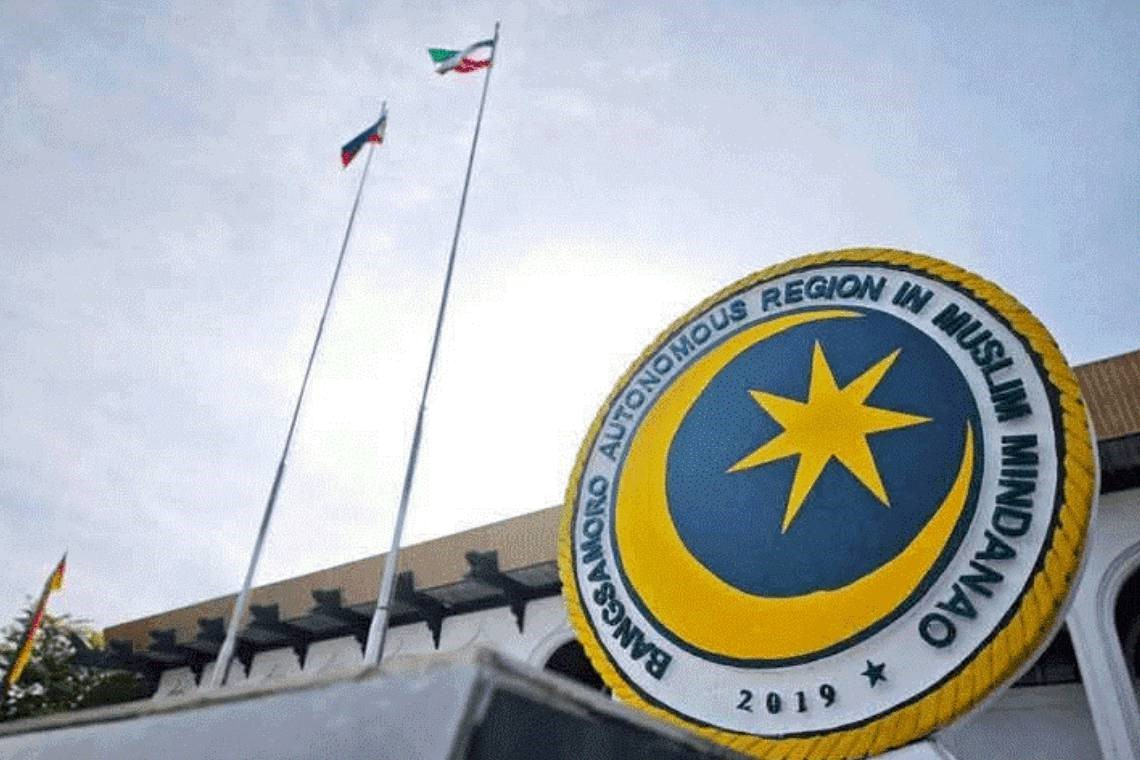
As Bangsamoro prepares for its first parliamentary elections, critics warn that legal challenges could delay the vote while peace advocates argue that the government's failure to appoint a new peace panel chair risks slowing implementation of the region's landmark peace agreement. Source: BigNews Ngayon Pilipinas Radio Facebook
With the first Bangsamoro Parliamentary Elections scheduled for September 14, 2026, concerns are emerging from two different directions. On one side, critics are urging Moro Islamic Liberation Front (MILF) peace panel chair Mohagher Iqbal to halt legal actions that they believe could delay the long-awaited elections. On the other, peace advocates are calling on President Ferdinand Marcos Jr. to appoint a new government peace panel head, warning that the absence of a counterpart negotiator for Iqbal threatens the implementation of the Comprehensive Agreement on the Bangsamoro (CAB).
Together, these developments have sparked a broader question: Are the Bangsamoro elections and the peace process entering a period of strain?
A widely shared opinion piece published in recent days have accused Iqbal of supporting legal efforts that could disrupt the first parliamentary elections in the Bangsamoro Autonomous Region in Muslim Mindanao (BARMM). Critics argue that a challenge to the Bangsamoro districting law before the Supreme Court could delay the electoral process and extend the region's transition period. The opinion piece argues that after years of governance under the Bangsamoro Transition Authority, residents should finally be allowed to elect their own representatives through the parliamentary system envisioned under the peace agreement.
The criticism has been particularly sharp because the September elections are expected to mark a major milestone in the region's transition from appointed leadership to elected governance. Critics contend that any postponement risks prolonging uncertainty and delaying the transfer of authority to officials chosen by voters.
"The criticism has been particularly sharp because the September elections are expected to mark a major milestone in the region's transition from appointed leadership to elected governance."
However, election preparations continue. The Commission on Elections has emphasized that planning and coordination for the parliamentary polls remain in full swing. Comelec Chair George Garcia stated that preparations are proceeding as scheduled and that election-related activities will continue despite pending legislative proposals and ongoing political debates.
Updated headlines for free, straight to your inbox—no noise, just facts.
We collect your email only to send you updates. No third-party access. Ever. Your privacy matters. Read our Privacy Policy for full details.
While attention has focused on the elections, another concern has emerged regarding the peace process itself. Peace advocacy group Move for Peace Now! has called on Malacañang to appoint a new chair of the Government of the Philippines-Peace Implementing Panel. The position became vacant after former chair Cesar Yano resigned in February.
Supporters of the peace process argue that the vacancy has created a significant gap in communication between the government and the MILF. Without a government counterpart, they say, substantive discussions on the implementation of the CAB have slowed considerably. The MILF has previously expressed concern about the vacancy and announced the suspension of substantive peace process engagements following Yano's resignation. Peace advocates warn that delays in implementing key provisions of the agreement could undermine gains achieved through nearly two decades of negotiations that culminated in the signing of the CAB in 2014.
"Peace advocates warn that delays in implementing key provisions of the agreement could undermine gains achieved through nearly two decades of negotiations that culminated in the signing of the CAB in 2014."
Their concerns extend beyond dialogue. In 2024, the MILF suspended the decommissioning of its remaining combatants until the government substantially complies with other commitments under the normalization process, including socioeconomic support packages.
Despite the heated rhetoric, the available evidence suggests that both the elections and the peace process remain active, although they are clearly facing challenges. Election authorities continue to prepare for the September polls, signaling confidence that voters will be able to participate in the region's first parliamentary election. At the same time, government officials have confirmed that the process of selecting a new peace panel chair is ongoing.
What is becoming increasingly clear is that the Bangsamoro transition depends on both democratic legitimacy and sustained dialogue. Elections provide the opportunity for public participation, while the peace process provides the framework that made the region's political transformation possible in the first place.
"What is becoming increasingly clear is that the Bangsamoro transition depends on both democratic legitimacy and sustained dialogue."
The two issues are often discussed separately, but they are deeply connected. Delays in one area can create uncertainty in the other, particularly in a region where political institutions are still evolving.
The current debate highlights a challenge that extends beyond the halls of government in Cotabato City. Across the southern Philippines, communities continue to watch whether commitments made through negotiations are translated into lasting institutions and accountable governance.
In places such as Sulu, where questions of representation, development, and political participation remain closely watched, the success of the Bangsamoro transition carries significance beyond electoral timelines. The durability of peace often depends not only on signed agreements, but also on whether citizens see functioning institutions, credible elections, and leaders who can continue dialogue even during periods of political disagreement.
"In places such as Sulu, where questions of representation, development, and political participation remain closely watched, the success of the Bangsamoro transition carries significance beyond electoral timelines."
As September approaches, the Bangsamoro region faces a critical test. The outcome may reveal not only the strength of its electoral preparations, but also the resilience of the peace process that helped make those elections possible.
REFERENCES
Inquirer. (2026, June 15). Bangsamoro supporters urge anew Malacañang to protect peace gains. Inquirer. https://newsinfo.inquirer.net
Inquirer. (2026, June 17). Marcos urged to appoint gov’t peace panel head. Inquirer. https://newsinfo.inquirer.net
Mindanao Gold Star Daily. (2026, June 16). Critics oppose moves that could delay BARMM polls. Mindanao Gold Star Daily. https://mindanaogoldstardaily.com
Daily Tribune. (2026, June 15). Calls grow for Iqbal to halt alleged interference to BARMM polls. Daily Tribune. https://tribune.net.ph
Philstar. (2026, June 16). Preparations for BARMM polls go full blast. Philstar. https://www.philstar.com

KnowSulu is your trusted source for verified facts, news, and legal insights about the Sulu region. Committed to integrity, our mission is to empower the people of Sulu by providing accurate, transparent, and reliable information that matters.
