

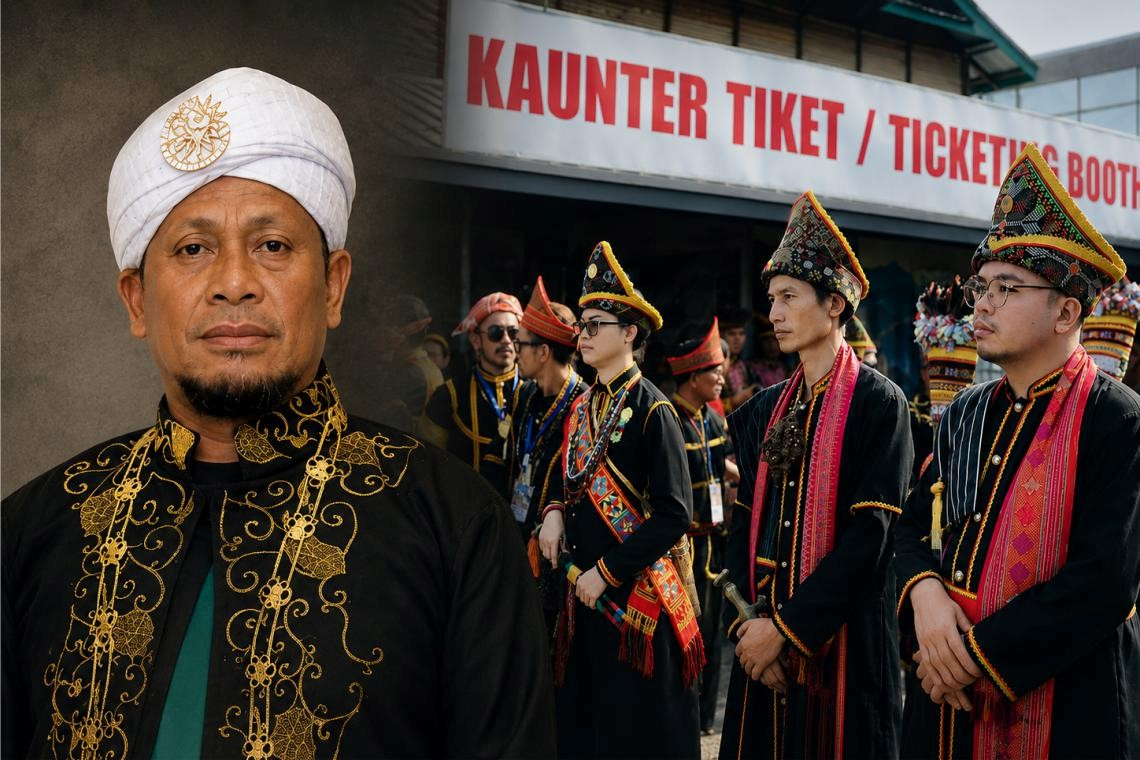
The Kadazan Dusun people (right) are an indigenous group that form the largest single ethnicity in Sabah. Despite this, their right to Sabah is rarely mentioned in Sulu narratives put forward by Sulu heirs such as Muedzul-Lail Tan Kiram (left). Image Source: Adapted from the original Kadazan Dusun image by Jjurieee, Wikipedia
Sabah-based NGO PAKAS says the picture was taken from prison conditions in the Philippine capital and presented out of context. The group has now filed a police report to support a swift investigation and to verify its initial finding that the images originated in the Philippines, not Sabah. If the photos truly reveal abuse inside Quezon City Jail, then urgent action belongs in Manila, not across the sea in a foreign country.
The controversy highlights the dangers of inflaming emotions with misleading social media content. Similar tensions once surfaced during discussions on improving border accuracy and public services for villages along the Malaysian-Indonesian frontier in North Borneo. Public backlash was eased only after the foreign ministries worked together with the Malaysian-Indonesian Journalists' Alliance (ISWAMI) to correct misinformation and calm public sentiment.
Muedzul's follow-up posts raise further concerns. He suggested that Tausugs are the true owners of Sabah—ahead of its dominant indigenous populations, a claim that is demonstrably false and risks damaging the good relations between Tausugs and indigenous communities such as the Kadazan Dusun. The Kadazan Dusun remain Sabah's largest demographic, making up 30% of the state's population. By comparison, the Tausug population may be as low as 9%, although estimates differ because of continuing migration.
Even more troubling is the portrayal of other communities as "settlers" supposedly plundering resources that should belong to the Tausug people. That narrative ignores the history accepted even by the Sulu heirs themselves. The Sulu Sultanate extended its influence into Sabah only after intervening in a Bruneian civil war. Our historical connection to the territory is real, but Tausugs are native to Sulu, and we came centuries ago as seaborne neighbors and as a Sultanate expanding our power.
Referring to Sabah's peoples as "settlers" is a move that replaces them in the historical record, amounting to the same kind of historical and cultural erasure that Sulu itself endured under Western colonial powers. We should not repeat against others what history inflicted upon us.
Updated headlines for free, straight to your inbox—no noise, just facts.
We collect your email only to send you updates. No third-party access. Ever. Your privacy matters. Read our Privacy Policy for full details.
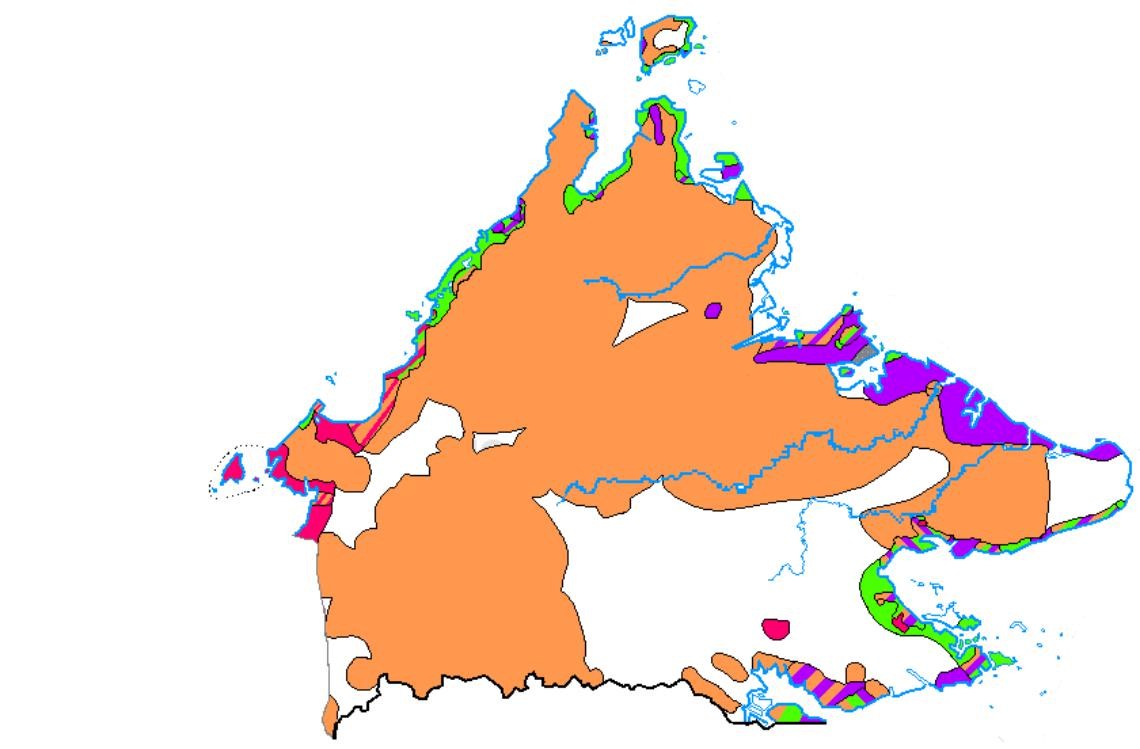
A map of Sabah depicting the dominant language groups, with North Bornean representing a clear majority in orange. Filipino language groups are represented in purple. Muedzul-Lail Tan Kiram’s recent social media post is raising controversy with his suggestion that the Filipino Tausug ethnic group are the rightful owners of all Sabah, and that other groups are merely “settlers.” Image Source: Muffin Wizard, Wikipedia
In his posts, Muedzul also questioned why many Tausugs in Sabah struggle to access healthcare and other forms of social support. This is a genuine and urgent issue that deserves careful attention rather than political slogans. One major obstacle is the absence of a Philippine consulate in Sabah to help Philippine citizens with identification and registration.
The obvious question is why such a consulate does not exist. Despite repeated encouragement from the Malaysian government, Manila has declined to establish such a consulate to support Tausugs in Sabah. The reasons remain open to speculation, but a likely explanation is that opening a consulate and facilitating healthcare, housing, and other services would effectively acknowledge that Sabah is not part of the Philippines or of a Sulu Sultanate that no longer exists in the 21st century.
“Despite repeated encouragement from the Malaysian government, Manila has declined to establish such a consulate to support Tausugs in Sabah.”
Historical pride is understandable, but it should not come before the everyday needs of Tausugs. Whether in Sabah or in Sulu, which remains the poorest province in the Philippines, people need stronger economic development, better opportunities, and meaningful democratic representation.
Despite all of this, in a further reply to his original post, Muedzul added that “photos can be faked, but the story is genuine.” This begs the important question of just what proof he is raising the alarm with?
Tausugs across the region face real challenges that deserve real solutions. Those solutions begin with verifiable facts, not sensational social media posts. Truth remains the strongest foundation for protecting our communities and securing a better future for Sulu and its people.
REFERENCES
David, E. (2025, July 28). Facebook post by self-proclaimed Sulu Sultan sparks Sabah sovereignty probe. TV Sabah News. https://tvsabahnews.com
Jjurieee. (2023). Dusun Lotud Tuaran [Photograph]. Wikimedia Commons. https://commons.wikimedia.org
KnowSulu. (2026, January 27). Why the Philippines' Sabah claim collides with its own Constitution. https://know-sulu.ph
KnowSulu. (2026, May 5). Sabah and Kalimantan: Why One Dispute Is Calming While Another Escalates. https://know-sulu.ph
KnowSulu. (2026, June 30). Slaves and Seapower: The Complex Power of the Sulu Sultanate. https://know-sulu.ph
KnowSulu. (2026, June 24). The Real Sabah Story: Porous borders, Impossible Claims, and Politics. https://know-sulu.ph
Majangkim, R. (2026, February 28). Sabah: A sovereign choice the world witnessed. Jesselton Times. https://jesseltontimes.com
Muffin Wizard. (2013, November 5). File: Sabah Families Languages.png [Map]. Wikimedia Commons. https://commons.wikimedia.org

KnowSulu is your trusted source for verified facts, news, and legal insights about the Sulu region. Committed to integrity, our mission is to empower the people of Sulu by providing accurate, transparent, and reliable information that matters.


